15 Ways to Improve Sales Conversion Rate in 2026 [+5 Examples]
written by
Nalin Senthamil
Founder & CEO at Storylane
reviewed by
|
Table of contents
Have you noticed that your conversion rate hasn't changed much even though more visitors are coming to your website? They're taking action, but not the action you want them to take.
Doubts probably sneak into your mind - are visitors interested in what you're selling? Or do they have any queries on the product?
If you can resonate, you are not alone. There are multiple tried-and-tested conversion strategies available to boost your sales. And the best?
We covered you with the top 15 tips to get a better conversion rate while giving real-time examples.
Let's explore!
What is a Good Sales Conversion Rate?
Conversion rate is the term used to describe the number of website visitors who not only browse through your content but also convert into leads, customers, or clients.
A sales conversion rate of more than 10% is a better conversion rate. Some companies have conversion rates above 10%, with a small percentage going as high as 11.45%. The average conversion rate differs depending on multiple factors!
But, will they differ as per the industry?
Yes. For example, conversion rates in e-commerce are much lower than in the finance industry. It is worth noting, however, that these numbers are five times higher for projects in the top 10%, regardless of the industry.
The graphic below illustrates how Unbounce's detailed report breaks down conversion rates by industry:
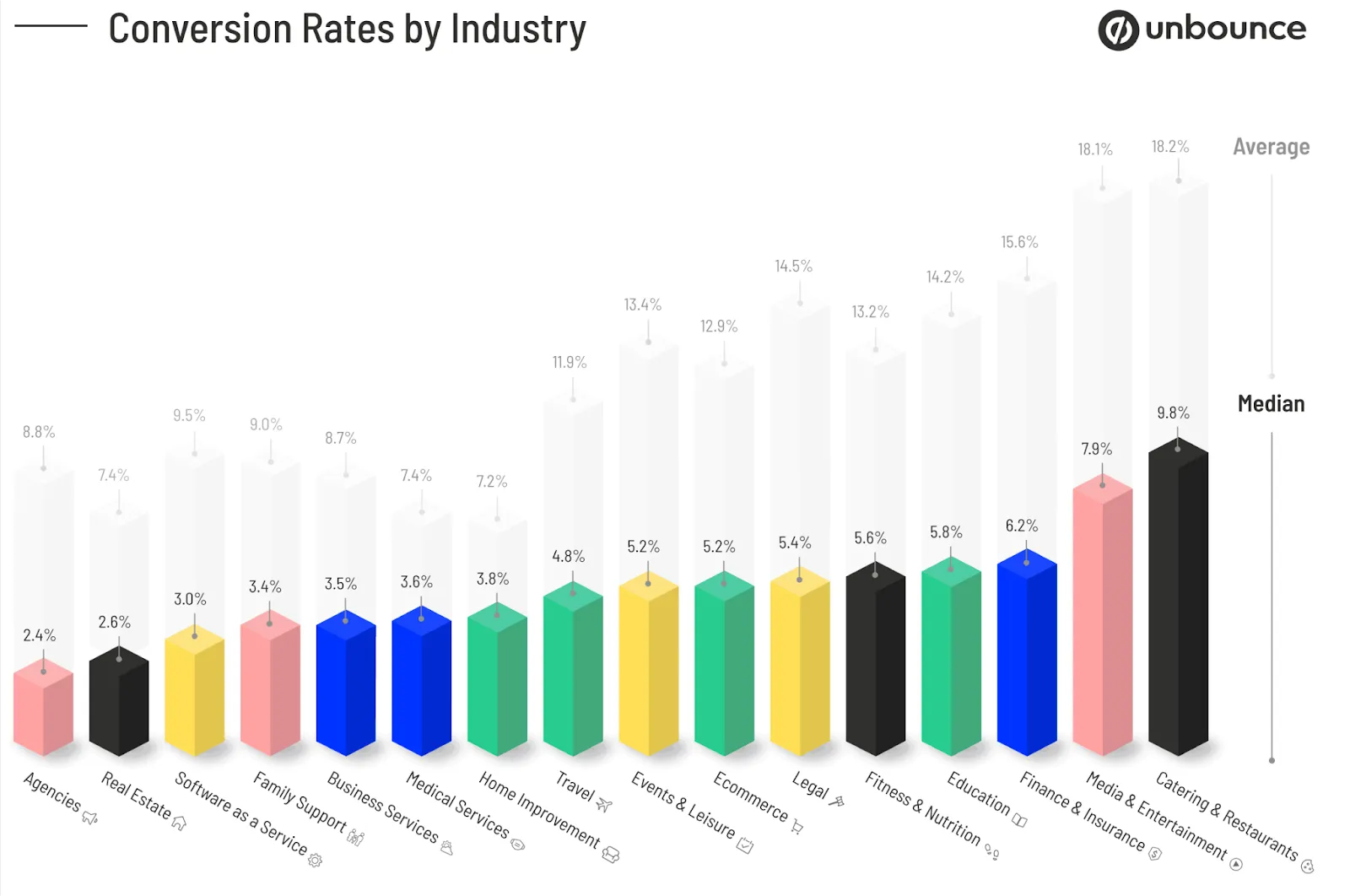
Furthermore, comparing your conversion rate to the average conversion rate throughout all industries can be misleading! Because it tends to make, you think that you are doing better than you are.
But the truth is, the top 10% of companies are achieving almost five times better and outperforming your rates. The question is, how do you get there?
Keep reading because you'll soon find out!
How to Calculate Sales Conversion Rate?
You can calculate the sales conversion rate by dividing the number of sales you got by the number of leads you acquired. To get the percentage, multiply it by 100. Let's simplify this further,
Conversion rate = (Number of sales / number of leads)*100
As one ascends from one to the next step, a conversion is made, and the visitor is said to have moved up a step. This conversion rate is called sales funnel efficiency. Let us understand this number with a real-time example.
Let's assume that you made 50 sales last month with 150 leads on your hand.
So, the conversion rate would be = (50/150)*100 = 33%
Thus, your last month's sales conversion rate is about 33%.
15 Ways to Improve Sales Conversion Rate in 2026
The end goal of any business is to taste high sales conversion rates rather than sticking to a stagnant metric. But the question is, how can you improve your conversion?
Below are the 15 steps to increase sales conversion rate in 2026.
1. Narrow down your leads
You will have zero conversion rates when you focus on converting leads who show no interest. From a marketing perspective, it is optimal to enhance your conversion rates if you fill your funnel with quality leads. While doing so, marketing campaigns can focus on getting those leads as fruitful customers in the future!
By doing so, you can enhance your conversions to match your vision and values; you can spend less time selling to prospects and more time making decisions.
2. Add exit-intent popups
Ever stopped by a popup that opens up when you press the back button?
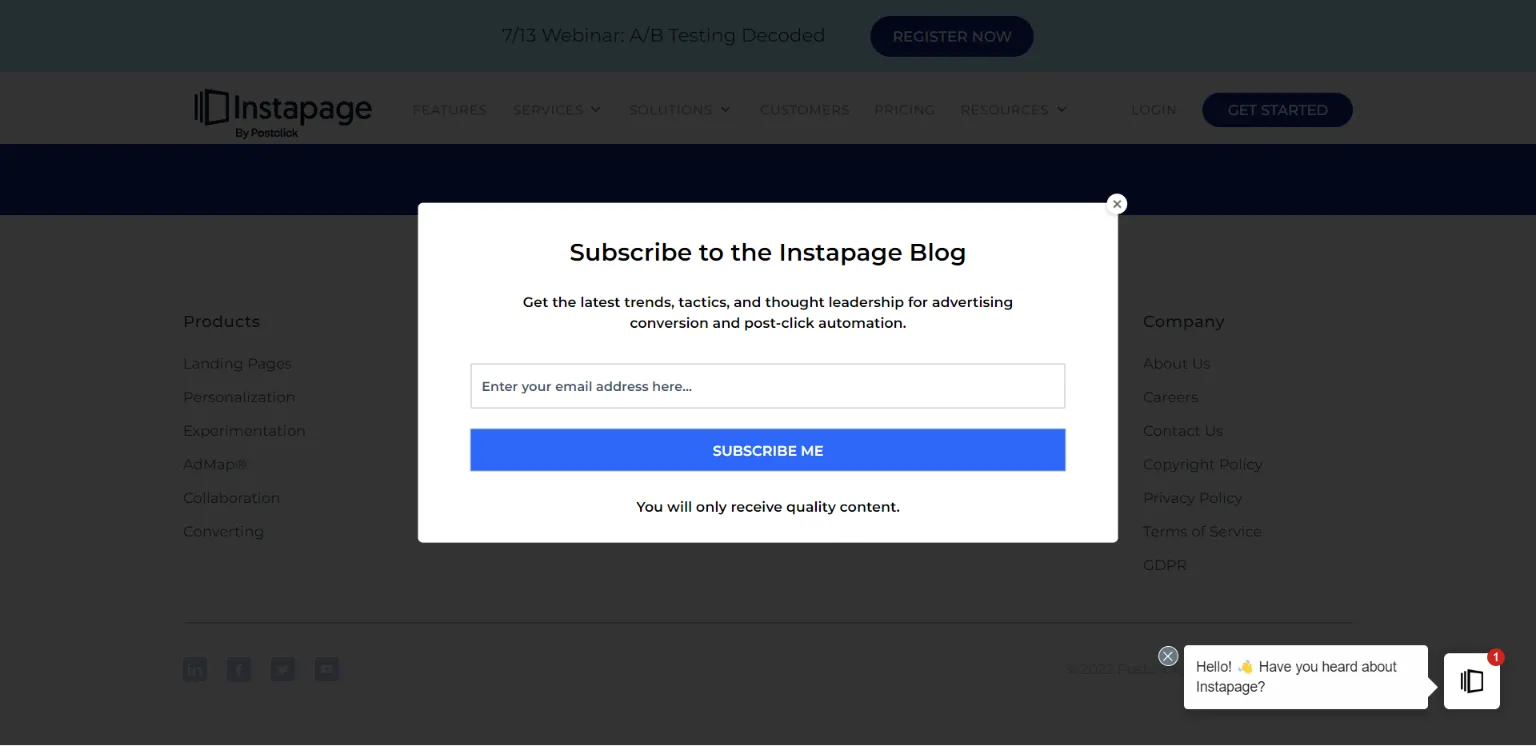
We have all been there, and these are the exit-intent popups. But why should you care for these? Because pop-us have resulted in 30% increased conversion rates.
Exit-intent popups flash a message on your page when a user's mouse hovers over the browser's 'back' button. This lets you display urgent messaging to persuade the visitor to stay on your site by giving them an offer or a special discount, for example. While doing so, you can either retain your user within the website or push them to take action.
3. Build trust with social proofs
People need to trust you before making a purchase. And the best way to develop trust is to list reviews of people who trusted your brand. The reason?
Because 93% of potential customers will read online reviews before deciding whether they want to place an order, a sure way to impact your sales conversion rate is social proof.
Your social networks influence whether or not customers will choose you. You can add social proof, like customer reviews of your product and testimonials on your site! If you want people to buy from you, you need to tell them that what they've heard about you is true!
4. Interactive product demo
The best way to pique your prospects’ interest is to talk about the features and benefits of your product and how it can better their lives.
However, a more effective and engaging approach is to let them try it themselves. Adding an interactive product demo on your website allows your customers to take that first-hand experience onto their own and evaluate whether or not they like what they see. The best part is that you can even use your product demo to capture leads from your traffic.
Show your product in action through Storylane's interactive demos
For example, we helped Toplyne to get more leads from their traffic. If a user wishes to explore the product demo, they have to provide their work mail address.
Check out their product tour made with Storylane:
This way, you can pull the warm leads to your bucket and nurture them to pull out as customers. When they know how beneficial your product is, sales will happen automatically.
5. Tweak your CTA
Every business and every product is different, but we are all striving for the same results - high engagement rates and successful conversions. One of the best ways to ensure this is by strategically planning your calls-to-action so that your readers know exactly how to use a particular feature or why they should learn more about something you're promoting on your website.
Reliable strategies include ensuring that CTAs are highly visible, simple to understand, and intuitively placed on web pages.
CTAs should always lead visitors toward taking advantage of what you offer. Make it clear where supporters are going when they opt-in for a specified offer such as a free trial period or money-saving coupon code.
6. Cater to your user's expectation
Think from the user's perspective! They are hooked on your headline and decided to read your blog. Will they continue reading it if they haven't found what they are looking for?
Nope! Moreover, they will exit and hardly revisit your site.
It negatively impacts your sales conversion rates too! That's why catering to your user's expectations is so important. Ensure that your headline and the body content sync and cater to the users to taste better conversion rates.
7. Be strategic on your signup forms
There are many reasons that users don't convert, but the most important one has to do with friction. It happens when your users hesitate to take action within your site.
For example, if your form is too long and you expect a lot of detailed information, prospects might hesitate to complete it.
By removing the unnecessary form fields, you can help ensure their confidence; it opens the door to a higher sales conversion rate.
Shorter forms equal trust, and when people trust your brand, they're more likely to do business with you.
8. Optimize your site for mobile
Nowadays, people are doing everything on their phones; nearly 50% of B2B queries were made from mobile last year.
Your slow-loading content may cause customers to decide whether they would like to continue reading or move on to another article (or watch another video, etc.).
So if you want visitors to convert to customers, it is crucial to have mobile-friendly websites that cater immediately to your users.
9. Perform A/B testing
A/B testing is a technique that can increase your website's conversion rate, whether you're using it for landing pages or especially while creating a new website design. For example, say you've been trying to figure out what your CTA text should be for your landing page and haven't decided on one yet.
You can conduct an A/B test that will allow you to see which one converts better without waiting long to experiment with multiple elements.
You could also use A/B tests for significant website changes like buttons, headlines, images, or any other element on your page that might affect conversions somehow. In essence, you should try doing A/B tests with as many variables as possible, as these have significantly impacted conversions (Now including CTAs!).
10. Leverage the power of chatbots
If you can't convert a fraction of your website traffic to leads, your visitors might have a question about your product or concern about your product or service. How can you cater to them round the clock?
Interestingly, 57% of businesses claimed that chatbot delivers a massive ROI with minimal investment.
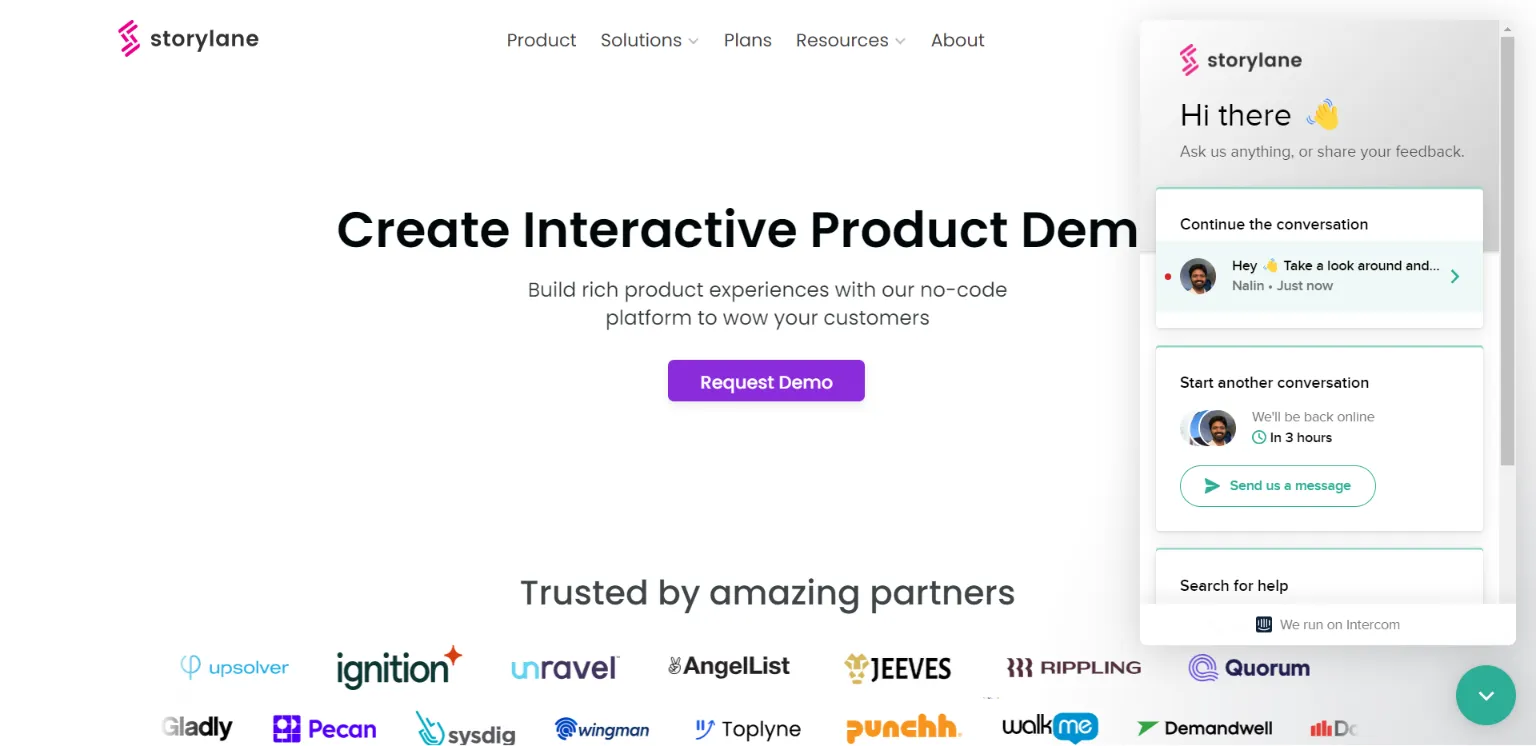
With live chat, you can quickly determine if your customers are second-guessing whether they want to engage with your brand or not, so you can get right down to the nitty-gritty.
By politely and persuasively guiding customers towards a purchase decision, you can seamlessly wrap things up!
11. Create a focused landing page
When tailoring your landing page, you need to curate it carefully. Your users must reach your call to action and no other thing. If you add too many multimedia, pop-ups, and other unrelated links, your subjects will be distracted.
Any irrelevant or unnecessary elements will only distract users from what they came to see. You have to remove all the unnecessary elements that distract your user. Make your page simple only with the elements that push the users to click your CTA.
12. Redefine your deal
You should take a step back and take a more objective look at your offering. Why do you think people will be interested in the offer? Are the advantages of your services highlighted enough for people to understand how they could benefit them?
What else can you say or do to make it even easier for leads to give in? You could provide complementary services or bonuses that add value to the deal. Some sales specialists will slightly decrease initial pricing to win customer loyalty and higher profits later down the line.
This service offering strategy comes in the form of providing exclusive content or additional customizations.
You should provide dedicated support and onboarding calls to add more value to your offer. Besides helping you build a personal relationship with your leads, it also allows you to gather direct feedback that can align your sales and marketing efforts!
13. Retarget your prospects
The more time you spend nurturing prospective customers, the better your chances of converting them. Just because they didn't immediately convert doesn't mean they aren't waiting to hear from you again and again.
Retargeting ads can serve up content and products to them without coming off in an overwhelming way that could risk a potential sale. Because, after all, you know once they've made it this far down the funnel, they're closer than ever to taking action.
14. Invest in content marketing
Invest in an efficient content marketing strategy that helps you reach out to potential customers without spending your life savings. The most important quality of content is its value.
Your online presence will improve if you focus on creating high-quality and optimized articles that offer great value to visitors instead of flooding them with advertising. At first, try sending simple newsletters to your new leads, or start a beginner's guide for them, then build case studies for your loyal customers later on.
15. Lead nurturing
There are hot sales leads and cold ones, the latter not interested. When you target existing customers, your work is cut out for you, but you need to nurture those who haven't bought yet. Lead nurturing is a systematic process wherein you identify the leads and their interest in your product, sending the most eager directly to sales while others remain on the back burner.
By targeting specific leads, you intrinsically obtain accurate client data – this ultimately boosts the buying cycle's speed and ensures it runs smoothly for everyone involved!
A small change can bring massive results.
There are hundreds of ways to increase conversions--it all depends on your audience, goals, and product. There is no one size fits all answer, so you need to be flexible in what you do and not get caught up in strategy from the outset--it's important to test!
These examples clearly show that a small change on your landing/webpage can improve sales conversion. The best way to get sales is to develop trust by showing how your product helps them to solve their problems.
But how can you do it the best? By the implementation of interactive product tours with Storylane. You can capture your leads and convert them to customers with a demo that walks through the features and educates the importance of your product.
Here's a Sneak Peak👇
You can gain their trust and let your customers take action without leaving your site! Wondering how Storylane helps you in the entire process? Schedule a free demo now!
“In a world older and more complete than ours they move finished and complete, gifted with extensions of the senses we have lost or never attained, living by voices we shall never hear.”
Most Docket alternatives will qualify your inbound traffic. Very few will actually educate a buyer, show your product mid-conversation, or lead a prospect toward a decision the way a great SDR would. I evaluated seven AI sales agents head-to-head so you can pick the one that actually moves your pipeline.
Docket does the basics well. It puts a chat agent on your website and helps qualify inbound visitors. But as AI sales agents get more sophisticated, teams are discovering that the gap between "chat widget" and "AI sales agent" is bigger than it looks. The difference comes down to a handful of things that matter more than any feature checklist: how smart the agent actually is, whether it can show your product (not just talk about it), how fast it responds, and whether it meets buyers in the format they prefer.
What you'll find in this post
The four capabilities that separate real AI sales agents from glorified if-then chatbots
A ranked breakdown of seven Docket alternatives, covering strengths, limitations, pricing, and best-fit use cases
Why mid-conversation demos and proactive agent intelligence are the two biggest differentiators in this category
A clear recommendation for B2B SaaS teams that want to convert high-intent traffic into qualified pipeline
What to look for in a Docket alternative
Before diving into the list, here are the four capabilities I weight highest when evaluating tools in this category. Getting these right is what separates tools that generate pipeline from tools that just collect email addresses.
1. Agent intelligence: proactive vs. reactive
Many chat agents on the market today run on simple if-then workflow logic. A visitor asks a question, the agent matches it to a scripted response, and the conversation follows a fixed path. Here is where that breaks down: if a buyer asks to see the product and the workflow's next step is "collect their email," the agent will keep pushing for the email no matter what the buyer says next. Ask a follow-up question, request a case study, say you are not ready to talk to a human yet. The agent is stuck because it is not actually thinking. It is following a flowchart.
The agents that generate real pipeline work differently. They understand what the buyer is actually asking, and they adjust the conversation in real time. More importantly, they do not just react to questions. They proactively lead the conversation toward an outcome you define, like getting a prospect to book a demo or converting them into a marketing qualified lead. They ask discovery questions, read the buyer's signals, and steer toward that goal without sounding scripted.
Example: A visitor lands on your pricing page and opens the chat. A reactive agent asks "What brings you here today?" and waits. A proactive agent recognizes the pricing page context, asks what use case the visitor is evaluating, surfaces a relevant case study, and guides them toward booking a call with the right rep. One is a form with a chat UI. The other is a sales conversation.
2. Mid-conversation demo capability
When a buyer asks "Can you show me how this works?", most chat agents can only respond with text. They can describe features, link to a help article, or try to route the prospect to a human. They cannot actually show the product.
A few tools in this category can surface interactive demos, case studies, videos, pricing pages, and other sales assets directly inside the conversation, at the exact moment the buyer is asking for them. The agent pulls up the relevant demo right there in the chat. The buyer stays engaged, gets their question answered visually, and moves closer to a decision without a tab switch or a scheduling delay.
The gap between tools here is about depth of integration. Some agents bolt on demo capability through a third-party connector, which limits what content can be surfaced and when. Others have demo capability natively built into the platform, giving the agent much finer control over what to show and how to personalize it.
3. Response speed
This one is straightforward but easy to overlook. If your AI agent takes five to ten seconds to respond, you are losing buyers. People expect the same speed they get from ChatGPT or a messaging app. A slow agent feels broken, and visitors will close the tab before the answer arrives.
The speed gap between tools comes down to architecture. Agents that control their own inference stack, handling answer generation and audio and video rendering in-house, are consistently faster than tools that chain together multiple third-party providers for each response. When you are evaluating agents, test the actual response latency yourself. Sub-second responses feel like a real conversation. Multi-second delays feel like waiting for a loading screen.
4. Multimodal interaction
Buyers have different preferences. Some want to type. Some would rather talk. Some want a face-to-face-style video interaction where they can ask questions and get answers in real time.
Text-only agents work for a segment of your traffic, but they leave out everyone who would engage more deeply through voice or video. Multimodal also means the agent can surface different content formats mid-conversation: not just text answers, but interactive demos, PDFs, slides, videos, and pricing calculators. The richer the set of assets the agent can pull from and present, the more it functions like an actual sales rep rather than a search bar with a chat interface.
How you can evaluate these:
Run a real buyer scenario through each agent's demo. Ask a question, then change direction mid-conversation. Does the agent adapt or get stuck?
Ask to see the product during the chat. Can the agent actually show it, or does it just offer to route you to a human?
Time the response latency. Anything over two to three seconds will frustrate real buyers.
Test all available interaction modes (text, voice, video) and check what content formats the agent can surface.
1. Storylane RepX
An AI sales agent built natively inside the #1 rated interactive demo platform on G2 (4.8 stars, 1,400+ reviews).
RepX is where all four of the criteria above come together in a single product. It is built directly inside Storylane, the platform that already powers demo automation for thousands of B2B SaaS teams, and that native integration is what makes RepX fundamentally different from every other tool on this list.
Why teams choose RepX over Docket:
Proactive, intelligent conversations: RepX does not follow a scripted if-then workflow. It runs real discovery conversations, reads buyer intent, and proactively leads prospects toward a goal you define, whether that is booking a demo, qualifying as an MQL, or exploring a specific use case. If a buyer changes direction mid-conversation, RepX adapts. It asks the right questions, handles objections, and steers toward the outcome without sounding robotic. This is what separates it from chat agents that get stuck the moment a prospect goes off-script.
Natively demo-powered: RepX surfaces live Storylane interactive demos, case studies, PDFs, slides, and videos at exactly the right moment in a conversation. This is not a third-party integration or an API handoff. It is a deep, in-house connection to the #1 demo platform on G2. When a buyer asks "Show me how this works," RepX actually shows them.
Sub-second response speed: Answer generation, audio, and video are all controlled in-house (via LiveKit), making RepX noticeably faster than tools that chain together third-party providers for each part of the response stack. The conversation feels instant, not laggy.
Truly multimodal: Chat, voice, and video avatar in one agent. Docket is text-only. RepX meets buyers in whatever format they prefer, and surfaces a wide range of content formats (interactive demos, PDFs, videos, pricing, case studies) directly inside the conversation.
Rich knowledge ingestion: Trains on thousands of website URLs (via Firecrawl), help center pages, PDFs, case studies, and Q&A pairs. This goes far beyond what Docket's knowledge base supports.
Full CRM push: Syncs enriched transcripts, conversation summaries, and qualified lead data to Marketo, Salesforce, HubSpot, Slack, and Gong.
Part of a full platform: RepX comes as part of Storylane's Demo Suite, including interactive demos, hubs, and personalization. You are not buying a standalone chatbot. You are buying a complete buyer enablement stack.
RepX is purpose-built for B2B SaaS marketing and demand gen teams that want to convert high-intent website traffic with personalized, demo-driven conversations. If your product benefits from being seen, and most B2B products do, this is the agent that lets you show it, not just talk about it.
"Docket gives you a chat agent. RepX gives you a chat agent that can show your product, powered by the #1 interactive demo platform on G2."
Best for: B2B SaaS marketing and demand gen teams focused on inbound conversion, demo automation, and pipeline generation.
Pricing: Starts at ~$2,000/month, scaled by active monthly website visitors.
Qualified is one of the most established players in the AI pipeline generation space, and for enterprise teams, it is a serious contender. Built natively on top of Salesforce, Qualified identifies high-value accounts visiting your website in real time and routes them to the right rep, or engages them with an AI agent, based on CRM data, territory rules, and account signals. It is a mature platform with strong enterprise pedigree, and its Salesforce-first architecture makes it a natural fit for revenue teams deeply invested in that ecosystem.
What Qualified does well:
Real-time account identification: Uses Salesforce data to surface who is on your site, their deal stage, account tier, and rep ownership in real time
AI pipeline generation ("Piper"): Their AI SDR can engage visitors in chat, qualify them based on CRM context, and route or book meetings automatically
Enterprise routing logic: Sophisticated territory-based routing, round-robin assignment, and rep availability rules built for large, complex sales orgs
Salesforce-native: Deep bi-directional sync with Salesforce. Conversations, leads, and signals flow directly into the CRM without middleware
Signal-based plays: Can trigger outreach based on intent signals, account activity, or firmographic criteria
Qualified is a well-resourced platform with enterprise-grade infrastructure. Its main constraint is Salesforce dependency. Teams not on SFDC will find limited value. The AI agent itself is primarily text-based chat, with no native ability to surface product demos or rich interactive content mid-conversation. For teams that want to educate buyers visually as part of the conversation, that is a real gap.
Best for: Enterprise revenue teams running Salesforce-heavy ABM programs who want real-time account engagement and sophisticated routing.
Pricing: Starts around $3,500/month; enterprise contracts typically run significantly higher.
3. 1mind
1mind takes a different approach. It focuses on building highly autonomous, human-like AI personas that can handle the full arc of a buyer conversation, from discovery through qualification. Rather than a traditional chat widget, 1mind creates AI agents that can engage in multi-turn, nuanced conversations that feel closer to talking with a real SDR than filling out a form. It is designed for teams that want to hand more of the top-of-funnel conversation over to AI, with less need for human intervention.
What 1mind does well:
Autonomous conversation depth: Handles complex, multi-turn discovery and qualification flows without human handoff
Persona customization: AI personas can be configured with specific tone, knowledge base, and conversation goals to match your brand and buyer profile
Multi-channel presence: Can operate across web chat, email, and other touchpoints
Lead qualification logic: Configurable qualification criteria that can route or flag leads based on conversation outcomes
Scalable top-of-funnel: Designed to handle high volumes of inbound conversations simultaneously without rep bandwidth constraints
1mind is an ambitious platform with strong conversational AI capabilities. It is best suited for teams that want a high degree of autonomy in their top-of-funnel motion. The limitation is that it is not built on top of a demo platform, so there is no native ability to surface product demos or interactive content during a conversation. The agent can talk about your product, but it cannot show it.
Best for: Teams that want highly autonomous, self-running qualification workflows at scale.
Pricing: Available on request.
4. Spara
Spara is purpose-built for one thing: converting inbound pipeline fast. Where some AI agents try to do everything, Spara stays focused on identifying high-intent website visitors, qualifying them quickly, and routing them to the right rep or booking flow with minimal friction. Its strength is in the speed and precision of the handoff.
What Spara does well:
Instant lead routing: Identifies and routes high-intent visitors in real time, with sophisticated logic to match accounts to the right rep, territory, or queue
CRM enrichment: Enriches lead records with conversation data, qualification signals, and contact details before pushing to CRM
Fast qualification flows: Lean, efficient qualification questions designed to get key information quickly without creating friction
Booking integration: Connects qualified conversations directly to calendar booking, reducing drop-off between "interested" and "meeting booked"
Slack and CRM alerts: Notifies reps in real time when a qualified account is active on the site
Spara's focus on speed and routing is a genuine strength for revenue ops teams obsessed with response time. The tradeoff is depth. It is primarily a routing and qualification layer, not a tool designed for multi-turn educational conversations or visual product engagement.
Best for: Revenue ops and demand gen teams focused on lead routing speed, precision, and conversion from first touch to booked meeting.
Pricing: Available on request.
5. Fin by Intercom (AI sales agent)
Intercom's Fin is one of the most widely deployed AI agents in customer support, running across thousands of companies. In 2025 and 2026, Intercom extended Fin's capabilities into pre-sales conversations, launching a sales agent version designed to engage, qualify, and convert website visitors before they ever talk to a human. For teams already running Intercom for support, this is a natural extension.
What Fin does well:
Mature AI infrastructure: Built on years of real-world deployment in support. Fin's underlying AI is battle-tested at scale across thousands of companies
Unified support + sales: One platform for both pre-sales and post-sales conversations
Deep Intercom integrations: Native connections to Intercom's full suite, including helpdesk, CRM, inbox, and outbound messaging
Rich knowledge base: Trained on your existing Intercom help center content, articles, and past conversations
Broad channel coverage: Operates across web chat, email, and mobile
Fin's sales agent is a strong choice if you are already an Intercom customer and want to add AI-powered inbound qualification without switching platforms. The limitation for B2B sales teams is that Fin is a generalist AI, not purpose-built for demo-driven buying experiences. There is no native ability to surface product demos or interactive content mid-conversation.
Best for: Teams already on Intercom who want a unified support and sales agent within a single platform.
Pricing: Included in Intercom plans starting around $29/seat/month; AI agent resolution pricing varies by usage volume.
6. Chili Piper Chat
Chili Piper built its reputation on one of the most widely adopted tools in B2B sales: instant inbound meeting scheduling. Chili Piper Chat extends that core strength into AI-powered website conversation, using chat to engage visitors, qualify their intent, and convert them into booked meetings as fast as possible.
What Chili Piper Chat does well:
Inline calendar booking: Instant calendar booking, round-robin routing, and rep availability management deeply embedded in the chat experience
Fast conversion flows: Lean qualification sequences designed to get buyers from "interested" to "meeting booked" with as few steps as possible
Routing intelligence: Sophisticated routing logic based on CRM data, account ownership, territory, and deal stage
HubSpot and Salesforce integrations: Strong, well-tested integrations with both major CRMs
Speed-to-lead focus: Built around the principle that faster engagement and booking equals higher conversion
Chili Piper Chat is excellent at getting buyers into meetings quickly. The depth of conversation is more limited. It functions as a fast-path conversion layer, not a full AI sales agent capable of multi-turn product education.
Best for: Sales-led teams that prioritize meeting booking speed and rep routing over deep buyer education in the conversation.
Pricing: Starts around $30/seat/month for core scheduling; Chat pricing typically bundled or available on request.
7. GetBreakout
GetBreakout is an emerging player in the AI website agent space, positioned as a lightweight alternative to the heavier enterprise platforms. Its premise: replace passive forms and generic CTAs with dynamic, AI-driven conversations that engage visitors in real time.
What GetBreakout does well:
Quick deployment: Designed to get live on your website fast with minimal setup complexity
Conversational engagement: Replaces static lead capture forms with AI conversations that feel more natural
Lightweight and accessible: Lower barrier to entry for smaller teams or those earlier in their AI adoption journey
Customizable conversation flows: Basic configuration of conversation goals and qualification paths without deep technical requirements
Real-time visitor engagement: Triggers conversations based on page activity and visitor behavior
GetBreakout is a solid starting point for teams looking for something simple and fast to deploy. As an earlier-stage product, it is still maturing. CRM enrichment depth, multimodal capabilities, and reporting are more limited compared to the established players on this list.
Best for: Smaller teams or those earlier in their AI agent journey looking for a lightweight, easy-to-deploy starting point.
Pricing: Available on request.
The bottom line
All seven of these tools will help you do more with inbound traffic than a static form or a traditional chatbot. The right choice depends on your team's size, tech stack, and where the biggest gap in your buyer journey actually is.
Here is how I would frame the decision. Qualified is the strongest option for enterprise Salesforce shops running ABM. Chili Piper Chat wins on meeting booking speed and routing. GetBreakout and 1mind serve teams at different stages of maturity and automation ambition.
The two things that matter most when picking a Docket alternative are agent intelligence and mid-conversation demo capability. An agent that follows a fixed if-then workflow will lose buyers the moment they go off-script. An agent that cannot show your product when a buyer asks to see it is leaving pipeline on the table. RepX is the tool on this list that delivers both: proactive, adaptive discovery conversations with interactive demos surfaced natively inside the chat, powered by the #1 rated demo automation platform on G2 (4.8 stars, 1,400+ reviews).
Qualified was acquired by Salesforce in April 2026. The product now requires Salesforce CRM, and pricing starts at roughly $42,000 per year before infrastructure and implementation costs.
Teams evaluating qualified alternatives fall into three groups: those on HubSpot or another CRM who simply cannot use Qualified anymore, teams who cannot justify the total cost at their current stage, and teams who want a qualification layer that does more than conversational chat.
Six qualified competitors worth evaluating in 2026: Storylane RepX, Warmly, Default, 1mind (the AI Superhuman platform and official Drift successor), 11x.ai, and Artisan. Each solves a different part of the inbound or outbound qualification problem.
RepX is Storylane's inbound AI SDR: a voice and text agent that qualifies website visitors in real time and can walk them through an interactive product demo in the same conversation, with no Salesforce requirement.
Why teams are looking for qualified alternatives in 2026
Qualified built a real product and a defensible position. For enterprise revenue teams running the full Salesforce stack, Piper (Qualified's AI agent) was a credible answer to a genuine problem: website visitors arriving with intent and no one available to engage them at that moment. The product sat on your website, held conversations through chat and voice, routed qualified buyers to your sales team, and surfaced intent signals from the visitor session. It worked, particularly for Salesforce-native organizations where the deep CRM integration justified the complexity.
For buyers evaluating the market today, the acquisition creates a different risk profile than it did six months ago. Qualified is now being positioned as infrastructure for Salesforce's Agentforce platform, which has three concrete consequences.
First, the product roadmap is driven by Salesforce's priorities, not by Qualified's original customer base. Features that mattered to Qualified's mid-market buyers may move slower as Agentforce shapes the direction.
Second, Salesforce CRM is now a hard requirement. Teams running HubSpot, Pipedrive, Zoho, or any other CRM are not candidates for the product. This was always true in practice, but the acquisition has made it structural.
Third, pricing starts at approximately $42,000 per year for the Premier plan, and most mid-market deployments land between $60,000 and $100,000 annually once Salesforce licenses, implementation, and onboarding are factored in. At the low end, you're looking at $40,000 to $68,000 for Qualified itself, plus $30,000 to $60,000 or more for the required Salesforce stack.
The problem these teams are trying to solve has not changed. A Director of Growth at a B2B intelligence platform described it plainly in a recent conversation: "We don't have an SDR team to follow up and we're still getting inbound leads. You can't always get all of the qualification questions answered through an automated email thread or things like that." That is the core pain. Inbound interest exists, but there is no scalable layer to catch it, qualify it, and push it toward a conversation before the visitor leaves.
What has changed is who can actually buy Qualified to solve that problem. For a large portion of the teams who most need this type of solution, the product is now either inaccessible (wrong CRM) or priced well beyond reach. That is driving the evaluation of alternatives to Qualified across the B2B SaaS landscape.
Most teams evaluating inbound AI SDR tools as Qualified alternatives fall into one of three groups. The first is teams on HubSpot, Pipedrive, or any non-Salesforce CRM who have been forced to find a different path. The second is earlier-stage companies (Series A through Series C) who have the traffic and inbound intent but cannot justify a six-figure total cost of ownership for one piece of the GTM stack. The third is teams who want a qualification layer that can show the product and qualify in the same interaction, rather than routing visitors to a form or a human for a separate demo call.
How these qualified competitors compare
Rank
Platform
Best for
G2 rating
Starting price
1
Storylane RepX
Inbound AI qualification with interactive demo in the same conversation
4.8 stars (1,405 reviews)
Free / $40/mo Starter; RepX on Growth tier+
2
Warmly
Website visitor de-anonymization and AI-driven outreach
4.5 stars (250+ reviews)
~$700/month (Business plan)
3
Default
Inbound lead routing, scheduling, and enrichment automation
4.5 stars (63 reviews)
$750/month + $45/user
4
1mind
AI Superhuman for inbound qualification, live demos, and video calls (official Drift successor)
4.9 stars (7 reviews)
~$100K/year minimum (custom)
5
11x.ai
Outbound AI SDR for building new pipeline from cold audiences
4.4 stars (32 reviews)
Custom pricing
6
Artisan
Outbound AI SDR with multi-channel prospecting and personalization
4.0 stars (24 reviews)
Custom pricing
Full feature comparison of qualified alternatives
Feature
Storylane RepX
Qualified (Piper)
Warmly
Default
1mind
11x.ai
Artisan
Primary use case
Inbound AI qualification + interactive demo
Inbound AI qualification via chat and voice
Visitor de-anonymization + AI outreach
Inbound routing, scheduling, enrichment
AI Superhuman for website, in-product, and live video calls
I've been working in B2B SaaS GTM long enough to have watched two cycles of this now. A compelling product gets acquired, gets repositioned as part of a larger platform, and a wave of teams who were either customers or potential customers start looking elsewhere. That is exactly what is happening with Qualified right now. The teams who are well-served by the acquisition are the ones already deep in the Salesforce ecosystem with the budget and IT infrastructure to match. For everyone else, the search for an alternative is a practical necessity, not a preference.
What follows is my honest read on each option, including where Storylane's own product fits and where it doesn't.
1. Storylane RepX: the best AI SDR alternative with interactive demos
Storylane is best known as the #1-rated interactive demo software platform on G2's Demo Automation category, with 1,405 reviews and a 4.8-star rating, used by 5,000+ teams including HubSpot, Microsoft, and Okta. RepX is Storylane's inbound AI agent for sales: a conversational layer that sits on your website and qualifies visitors through voice and text in real time.
Build and train RepX agents by setting up persona, training on resources, and deploying on websites. Create agent under Persona section to determine chat experience appearance. Select AI avatar, assign agent name, and write intro message for conversation start. Configure launcher style, position, and brand color to control website appearance. Use Engagement tab to choose interaction method between video or voice. Add starter questions to guide visitors, upload starter slide, and configure CTAs. Train agent by building knowledge base in Training section. Add content including demos, links, answer snippets, docs, and images to knowledge base. Integrate Storylane demos so agent displays product demonstrations during conversations when visitors request to see product. Add public URLs including website, help center, or documentation with option to crawl single page or follow links within. Configure starter questions that appear to visitors before chat engagement. Set up starter slides and intro messages visible when visitor opens chat. Create Answer Snippets for specific responses to questions about pricing, security, and integrations by writing question as visitors ask it and providing exact answer. Upload documents and images such as one-pagers, screenshots, and decks with instructions for when to surface each asset during conversations. Store all training resources under Product knowledge with searchable and filterable organization that updates as product changes. Deployed agent operates on website answering questions, handling objections, and transferring sales-ready leads to team.
What makes RepX different from Qualified and from other conversational AI tools is what happens when a visitor shows purchase intent. Most inbound AI agents, including Piper, can answer questions about the product and route visitors to a form or a calendar. RepX can do that too, but it can also pull up an interactive product demo and walk the visitor through it in the same conversation. The visitor asks how a specific workflow works, RepX shows them the actual product doing it, continues the conversation, qualifies the lead, and routes to a booking or a self-serve signup. That combination of qualification and product demonstration in a single interaction is something no other tool in this category currently offers.
For GTM teams, the practical implication is a shorter time from intent to understanding. Instead of qualifying a visitor and then scheduling a separate demo call to show the product, the AI handles both in one session. Teams using Storylane (storylane.io) report meaningful improvements in the quality of conversations that reach the sales team, because buyers arrive having already seen the product, not just having answered a few qualification questions.
RepX is available on Storylane's Growth tier and above. The platform starts with a free tier (no credit card required) and a Starter plan at $40 per month, which makes the entry cost substantially lower than Qualified's $42,000-per-year floor. There is no CRM requirement. RepX integrates with HubSpot, Salesforce, and other major CRMs, but none of them is a prerequisite for the product to function.
Where RepX is not the right fit: teams whose primary pipeline problem is cold outbound, rather than inbound conversion. RepX is built for visitors who are already on your website. It does not prospect, find contact lists, or run outbound sequences. If the bottleneck is generating new top-of-funnel demand from scratch, one of the outbound AI SDR tools in this list is a better starting point. For teams that need demand generation tools, pair RepX with an outbound solution.
2. Warmly: best for website visitor de-anonymization
Warmly's primary function is website visitor de-anonymization: it identifies the companies (and in many cases the individuals) visiting your website, enriches that data with contact information and firmographics, and gives your team the ability to act on those signals in real time. The platform has added an AI chat layer that can engage identified visitors directly, which puts it in the same conversation as Qualified and RepX for inbound qualification.
The de-anonymization piece is where Warmly is genuinely strong. For B2B teams with meaningful website traffic and a defined ICP, knowing that the VP of Procurement at a target account just spent 12 minutes on your pricing page is valuable signal. Warmly surfaces that, enriches it, and routes it to the relevant rep or sequence automatically.
The trade-offs are worth understanding. The AI chat layer is less mature than Qualified's Piper or RepX. Warmly's core value is identification and routing, not conversational qualification, and the platform lacks outbound SDR capability.
Pricing starts at around $700 per month for the Business plan, with a free tier that covers up to 500 de-anonymized visitors per month. The free tier is genuinely useful for validating whether your website traffic has enough ICP concentration to justify the investment. Warmly does not require Salesforce CRM and integrates with HubSpot and other major platforms.
Warmly is a strong fit for teams where the intent signal layer is the missing piece: you have a CRM, you have a sales team that can act on signals, but you don't have visibility into who is visiting and what they're doing. If you need conversational qualification on top of that, plan for RepX or a similar tool alongside Warmly rather than as a replacement.
3. Default: best for inbound lead routing speed
Default is a different kind of tool than Qualified or RepX. It does not hold conversations with website visitors. Instead, it automates the inbound lead workflow: form submissions are captured, leads are enriched with firmographic and contact data, routing logic is applied against your ICP criteria, and qualified leads are automatically sent a calendar invite or routed to a rep. The best-case scenario is a prospect fills out a form and receives a calendar link within seconds, with no human touching the process.
For teams whose biggest bottleneck is speed-to-lead after a form submission, Default is directly relevant. Research on inbound conversion has consistently shown that the chance of qualifying a lead drops sharply as response time increases. Default compresses that to near-zero for the routing step.
What Default is not is a conversational AI layer. It handles the workflow automation around inbound leads, but there is no AI agent holding a real-time conversation with a website visitor before they fill out a form. For teams who need to engage anonymous visitors before they convert, Default is not the tool. For teams who have strong form conversion rates and the problem is what happens after the form is submitted, it is worth a close look.
Pricing starts at $750 per month plus $45 per user per month, billed annually. Enrichment credits are additional. Default earns 4.5 stars on G2 from 63 reviews, which is a smaller review base than some competitors but consistent in its positive sentiment. The platform integrates with HubSpot and Salesforce, with no CRM requirement for the core workflow functionality.
A Head of Presales at an enterprise software company put the underlying problem plainly: "The marketing pipeline probably should be helping us with some of that qualification." Default addresses exactly that, at the workflow and routing layer.
4. 1mind: the AI Superhuman platform (official Drift successor)
1mind is the most technically ambitious alternative in this list, and also the most expensive. In March 2026, Clari and Salesloft officially designated 1mind as the exclusive AI successor to Drift, which has been wound down with no new contracts issued. If you were a Drift customer or had Drift on your shortlist, 1mind is where that evaluation belongs now.
The core concept is a named, branded AI representative built specifically for your product and buyer personas, which 1mind calls a Superhuman. Unlike most conversational AI tools, which are configured chatbots with some natural language layered on top, a 1mind Superhuman is designed to hold substantive conversations across three distinct surfaces: as a website agent engaging inbound visitors, as an in-product guide intercepting product-qualified leads, and as a live participant on Zoom and video calls alongside your human reps. That last point is meaningful. 1mind is the only tool in this comparison that can actively participate in a live sales call, handling objections, surfacing relevant information, and demonstrating the product in real time. No other inbound qualification tool on this list does that.
The trade-off is price. 1mind does not publish pricing and requires a sales conversation for every contract. Based on market data and confirmed customer reports, contracts start at approximately $100,000 per year at the floor, with full enterprise deployments reaching $400,000 annually. There is no free plan, no trial, and no self-serve path. This puts 1mind squarely in the enterprise tier, and the evaluation process reflects that: expect a multi-week sales cycle and a structured onboarding engagement.
For teams replacing Qualified at the enterprise level, where the conversation was already at six figures and the requirement is a deeply capable AI agent for sales (not just a qualification chatbot), 1mind is the most direct comparison point. For teams who were Qualified customers because it was the default Salesforce-native tool rather than because they needed the full capability, 1mind is likely more tool than the situation requires, and the price will reflect that.
1mind integrates natively with Salesloft cadences and Clari forecasting, which makes it a natural fit for organizations already in that stack. Integration with other CRMs is available but secondary to the Salesloft/Clari ecosystem. No Salesforce CRM requirement, though Salesforce integration is supported.
5. 11x.ai: outbound AI SDR for cold pipeline
11x.ai is an outbound AI SDR: it handles prospecting, research, personalization, and outreach across email and LinkedIn, with the goal of generating new conversations from cold audiences. This is a genuinely different job than what Qualified does.
The distinction matters. Qualified, RepX, and Warmly are inbound conversion tools that work on demand already expressed through website visits. 11x.ai works on demand that has not yet materialized: it builds a target account list, researches contacts, and initiates outreach to create conversations that would not have happened otherwise.
If your core problem is still inbound visitor qualification, 11x.ai is not the answer. If your pipeline gap is actually upstream and the solution is to build more top-of-funnel from scratch, then 11x.ai belongs in a separate evaluation alongside other best AI SDR tools for outbound.
11x.ai does not publish pricing publicly. Most enterprise deployments land in the $40,000 to $80,000 per year range. The platform integrates with Salesforce and, to a more limited extent, with HubSpot. No free tier is available.
6. Artisan: outbound AI SDR with deep personalization
Artisan is another outbound AI SDR platform with similar positioning to 11x.ai: automated prospecting, AI-generated personalization, and multi-channel outreach across email and LinkedIn. Artisan differentiates primarily through the depth of its prospecting database and per-contact research.
The same caveat applies: if the underlying problem is inbound conversion, Artisan does not address it. These outbound tools are for teams who need to build new pipeline from cold audiences, not for teams who need to convert existing website traffic.
Artisan does not publish pricing publicly and requires a sales conversation. Pricing is in a similar range to 11x.ai. HubSpot integration exists but is more limited than Salesforce. No free tier is available.
If you are choosing between 11x.ai and Artisan for outbound AI prospecting, the evaluation comes down to database requirements (Artisan goes deeper on individual contact research), your CRM stack, and which team you find easier to work with. Both are legitimate options at the enterprise level.
Storylane's honest tradeoff
RepX is the product I'm most familiar with, which means I should be the one to name where it does not win.
The interactive demo capability is the clearest differentiator in the inbound AI SDR alternatives market, and no other tool in the category offers it. But RepX is built for inbound. Teams whose pipeline math requires consistent cold outbound to hit their numbers will not find what they need in RepX. The tool is built for organizations that have website traffic and want to convert more of it, not for organizations that need to generate net-new demand from lists.
On pricing, RepX is on Storylane's Growth tier and above, which is priced between Starter ($40/month) and the higher tiers where RepX lives. That is a meaningful step up from Starter pricing, though still substantially below Qualified's $42,000-per-year entry point. Teams evaluating RepX should ask specifically about RepX pricing during a demo conversation, as the Growth tier includes features beyond just RepX.
On AI qualification accuracy: like any AI agent, RepX performs within the scope of how it has been trained and configured. A GTM leader at an enterprise data platform noted: "When an AI misreads a signal or drives toward the wrong outcome for a specific buyer segment, that failure doesn't fire an alert. It shows up as a qualified conversation that didn't convert, weeks later in pipeline data." That observation applies to any AI qualification tool, including RepX. Teams should plan to invest time in ICP definition and qualification logic before going live.
How to decide which inbound AI SDR alternative fits your situation
The first question to answer before evaluating any specific tool is: where exactly is the pipeline breaking down? The answer shapes which category of tool you actually need, and conflating the categories is the most common and expensive mistake in this evaluation.
If your bottleneck is inbound conversion (you have website traffic with ICP fit but it is not converting to qualified conversations), you are in the market for RepX, Warmly, or Default. RepX and Warmly address the visitor engagement problem directly. Default addresses what happens after a visitor converts through a form. For teams with meaningful volumes of both anonymous traffic and form submissions, running RepX for the conversational layer and Default for post-form routing is a reasonable combination.
If your bottleneck is a Salesforce dependency you need to untangle from, RepX is the most direct replacement for the qualification and demo workflow that Piper was handling, with no CRM requirement and a substantially lower price floor. RepX functions as a demo experience platform and AI qualifier in one.
If your bottleneck is cold pipeline (not enough inbound to begin with), 11x.ai or Artisan addresses the upstream problem. But be precise about this diagnosis. Adding an outbound AI SDR when the actual problem is inbound conversion does not fix the conversion problem. It just adds more volume to a leaky funnel.
If you are an existing Drift customer navigating the sunset, evaluate 1mind directly and give yourself enough runway before your current contract expires. 1mind is the designated successor and is already integrated into Salesloft cadences and Clari forecasting, so the transition path is more defined than a typical migration.
Questions worth answering before any vendor conversation
What CRM are you on, and does it need to be a hard requirement or just a preferred integration? This question eliminates Qualified immediately if the answer is not Salesforce.
What does your website traffic look like in terms of ICP fit? De-anonymization and inbound qualification tools perform better when ICP traffic concentration is high. If most visitors are students, job seekers, or irrelevant geographies, ROI is harder to justify regardless of platform.
Do you need to show the product during the qualification conversation, or is routing to a human demo call acceptable? If showing the product at the point of qualification is important to your conversion flow, RepX is the only tool in this list that does it without a separate step.
What is your honest read on total cost of ownership across two years? Include implementation, the required CRM stack, and internal resource time to configure and maintain the tool. For many mid-market teams, this calculation is what makes Qualified unworkable and why a tool like RepX or Warmly is more practical. Explore Storylane's plans and compare against your full sales enablement tools stack cost.
Frequently asked questions about qualified alternatives
What are the best alternatives to Qualified in 2026?
The six best alternatives to Qualified in 2026 are Storylane RepX, Warmly, Default, 1mind (the official Drift successor), 11x.ai, and Artisan. RepX (storylane.io/repx) is the strongest inbound replacement because it qualifies visitors through voice and text while showing interactive product demos in the same conversation, with no Salesforce requirement and pricing starting at $40/month. Warmly is best for teams that need visitor de-anonymization and intent signals. Default is ideal for automating post-form lead routing. 11x.ai and Artisan serve teams whose primary gap is outbound pipeline, not inbound conversion.
Is Qualified still available for non-Salesforce CRM users?
No. After Salesforce completed its acquisition of Qualified in April 2026, Salesforce CRM became a hard requirement. Teams running HubSpot, Pipedrive, Zoho, or any other CRM cannot use Qualified. This structural change is one of the primary reasons GTM teams are evaluating alternatives like RepX, which integrates with HubSpot, Salesforce, and other CRMs without requiring any specific platform.
What is the cheapest Qualified alternative?
Storylane RepX offers the lowest entry cost among Qualified alternatives. Storylane's platform starts with a free tier (500 demos/month, no credit card required) and a Starter plan at $40/month. RepX is available on the Growth tier and above. By comparison, Qualified starts at approximately $42,000/year, Warmly at $700/month, Default at $750/month plus per-user fees, and 1mind at approximately $100K/year minimum. Both 11x.ai and Artisan require custom pricing conversations.
Can an AI SDR show a product demo during qualification?
Yes. Storylane RepX can pull up an interactive product demo and walk a visitor through it during the same conversation where qualification is happening. The visitor asks how a workflow functions, RepX shows the actual product, continues qualifying, and routes to a booking or self-serve signup. 1mind also offers live demo capability, including participation in Zoom calls, but at a starting price of approximately $100K/year. RepX is the most accessible option for teams that want demo-in-conversation without an enterprise-tier commitment.
What happened to Qualified after the Salesforce acquisition?
Salesforce completed its acquisition of Qualified in April 2026. The product is now being positioned as infrastructure for Salesforce's Agentforce platform. Three key changes followed: Salesforce CRM became a hard requirement, the product roadmap shifted to Agentforce priorities, and total cost of ownership for mid-market deployments typically lands between $70,000 and $130,000 per year when Salesforce licenses, implementation, and onboarding are included.
What are the best AI SDR tools for inbound leads?
The best AI SDR tools for inbound leads in 2026 are Storylane RepX, Warmly, and Default. RepX handles real-time voice and text qualification with interactive demos built in. Warmly focuses on identifying anonymous visitors and routing intent signals to your sales team. Default automates the post-form workflow to compress speed-to-lead to near-zero. The right choice depends on whether your gap is pre-form engagement (RepX or Warmly) or post-form routing (Default). For presales tools that combine qualification and product demonstration, RepX is the only option that handles both in one interaction.
The bottom line
The case for looking at qualified alternatives in 2026 is pretty straightforward. If you're not on Salesforce, the product isn't available to you. If you are on Salesforce, the total cost of ownership starts at roughly $70,000 to $130,000 per year once the full stack is factored in, and the roadmap is now driven by Agentforce priorities rather than your specific use case.
For teams looking to replace that inbound qualification layer, RepX is the tool I'd evaluate first, particularly if showing the product at the moment of qualification is part of how you want to convert visitors. Warmly is a strong second look for teams where the intent signal and de-anonymization layer is the missing piece. Default is the practical choice if the bottleneck is post-form routing speed rather than pre-form engagement.
If the problem turns out to be cold pipeline rather than inbound conversion, 11x.ai and Artisan belong in a separate evaluation, with clear expectations that they solve a different problem than what Qualified was solving.
Methodology
This comparison was written in June 2026. Qualified's acquisition by Salesforce was completed on April 1, 2026. Pricing data for Qualified is sourced from market reports and third-party analysis. Competitor pricing reflects publicly available information at time of writing and should be verified before any purchase decision. G2 ratings were verified against live G2 product pages as of June 2026; ratings change over time. Storylane G2 data (4.8 stars, 1,405 reviews, G2 score 99, #1 in Demo Automation) is verified as of this writing. Quotes from GTM practitioners are sourced from recorded sales conversations and anonymized to role and industry with permission.
The acquisition of Qualified by Salesforce, and the sunset of Drift by Clari/Salesloft, represent the consolidation of the first wave of conversational marketing into larger platform plays. The vendors best positioned going forward are those who can deliver the conversational and qualification layer without requiring a $100,000+ enterprise stack to operate.
The AI SDR category covers two distinct tool types in 2026: outbound (prospecting and cold outreach at scale) and inbound (qualifying website visitors in real time). Before evaluating any specific tool, figure out which problem you are actually trying to solve.
Best for inbound qualification: RepX by Storylane qualifies visitors and demos the product in the same session, a capability not found in other inbound tools we reviewed.
Best for outbound prospecting: AiSDR, Salesforge, Artisan, and 11x.ai each have genuine strengths for different outbound motions.
Best for data and enrichment: Clay and Apollo.io are the tools that power the AI SDR workflow before outbound sequences run.
There is a useful version of the AI SDR software category and a confusing one. The confusing version treats all these tools as roughly interchangeable, differing only in price and feature count. The useful version recognizes that tools built to find new prospects through cold outreach and tools built to qualify visitors already at your website are solving genuinely different problems, and require genuinely different architectures to solve them.
The eight tools in this roundup are organized by which problem they were built for. Most "best AI SDR tools 2026" lists lump everything together. I’ve made sure that this one does not. (Nine tools total, up from our original eight, after adding 1Mind to the inbound category.) Wherever possible, I’ve tried out the product to share my two cents on the experience (all opinions are personal).
This list is updated for Q2 2026. Some AI SDR platforms that were early stages a year ago have matured meaningfully. A few others have stagnated. The distinctions matter more now than they did when the category was newer. For a broader look at the G2 AI SDRs category, their rankings track closely with the patterns we see below.
Why the right AI SDR tool depends on where your pipeline is breaking
There is a diagnostic question worth asking before any AI sales agent evaluation: is your problem that you need more conversations with new prospects, or is it that you are not converting the demand that is already arriving at your website?
If your pipeline is thin because you are not generating enough top-of-funnel activity, outbound AI SDR tools are the right category. These automate the research, personalization, and sequencing that SDRs do to build cold pipeline from target account lists.
If you have meaningful website traffic and it is not converting into qualified pipeline, the inbound AI SDR category is more relevant. These tools engage visitors in real time, answer product questions, surface product demos, and qualify intent without requiring a form fill or a calendar invitation. This is what intent-based marketing looks like in practice: capturing buying signals from visitors who are already on your site.
Both types exist in the market. The eight tools below are organized by type so the comparison is actually useful.
AI SDR tools comparison: the 8 best platforms for B2B teams in 2026
Tool
Type
G2 rating
Starting price
Best for
RepX (Storylane)
Inbound
4.8 stars (1,405 reviews)
$2,000/mo
Inbound qualification and demo for website visitors
1Mind (Mindy)
Inbound
4.9 stars (<10 reviews)
Custom (six-figure/yr)
Enterprise video-native inbound with lifelike AI persona
Qualified (Piper)
Inbound
4.9 stars (1,400+ reviews)
~$42K/yr
Enterprise Salesforce-native inbound conversion
AiSDR
Outbound
4.7 stars (76 reviews)
$900/mo
Multichannel outbound with transparent pricing
Salesforge (Frank)
Outbound
4.6 stars (85 reviews)
$599/mo
Outbound email deliverability
Artisan (Ava)
Outbound
3.9 stars (22 reviews)
~$2K+/mo
All-in-one outbound with built-in prospect database
11x.ai (Alice)
Outbound
4.4 stars (27 reviews)
~$5K+/mo
Enterprise multichannel outbound with voice
Clay
Data + enrichment
4.9 stars (300+ reviews)
Free / $149+/mo
Building enriched, AI-researched prospect lists
Apollo.io
Data + outreach
4.8 stars (7,000+ reviews)
Free / $49+/mo
Combined data, sequencing, and outreach in one platform
G2 ratings as of Q2 2026. Pricing reflects publicly available information and may vary by contract terms.
Inbound AI SDR tools
1. RepX by Storylane: best inbound AI SDR tool for demo-led qualification
RepX turns your website visitors into qualified pipeline without requiring a form fill, a calendar invite, or a human SDR in the loop. It is Storylane's inbound AI SDR: a voice and video agent that engages visitors in real time and qualifies them mid-demo.
Build and train RepX agents by setting up persona, training on resources, and deploying on websites. Create agent under Persona section to determine chat experience appearance. Select AI avatar, assign agent name, and write intro message for conversation start. Configure launcher style, position, and brand color to control website appearance. Use Engagement tab to choose interaction method between video or voice. Add starter questions to guide visitors, upload starter slide, and configure CTAs. Train agent by building knowledge base in Training section. Add content including demos, links, answer snippets, docs, and images to knowledge base. Integrate Storylane demos so agent displays product demonstrations during conversations when visitors request to see product. Add public URLs including website, help center, or documentation with option to crawl single page or follow links within. Configure starter questions that appear to visitors before chat engagement. Set up starter slides and intro messages visible when visitor opens chat. Create Answer Snippets for specific responses to questions about pricing, security, and integrations by writing question as visitors ask it and providing exact answer. Upload documents and images such as one-pagers, screenshots, and decks with instructions for when to surface each asset during conversations. Store all training resources under Product knowledge with searchable and filterable organization that updates as product changes. Deployed agent operates on website answering questions, handling objections, and transferring sales-ready leads to team.
What sets RepX apart from other inbound platforms in this roundup is demo-nativity. When a visitor asks a product question, RepX does not respond with a generic chat message or a link to a help article. It surfaces the relevant Storylane interactive demo and walks the visitor through it mid-conversation. You get qualification and product demonstration in the same session, something none of the other tools on this list offer (verified across G2 feature comparisons in the AI SDRs category).
RepX is trained on your product documentation, website content, and sales call transcripts. When the conversation signals genuine fit, it routes the visitor to a calendar booking or self-serve signup and pushes the full conversation context to your CRM. Your rep follows up with a complete picture of what the visitor asked, which demo they watched, and where interest peaked.
One B2B SaaS team using RepX reported that their website-to-meeting conversion rate increased by 40% in the first 60 days, primarily because buyers could self-qualify through a demo before committing to a sales call.
Deployment typically takes under a week. Pricing starts at $1,500/mo.
Honest tradeoff: RepX is purpose-built for inbound. If your bottleneck is generating new cold pipeline from prospect lists, this is not the tool for that job.
Best for: B2B SaaS teams whose buyers want deep product understanding before committing to a full sales conversation. See how it works on the RepX AI Sales Agent product page, or compare it with other sales demo tools in a broader context.
2. Qualified (Piper): best for Salesforce-native enterprise inbound
If your team runs Salesforce and needs every inbound interaction enriched with deal history and account signals, Qualified's Piper is built for that workflow. With 4.9 stars across 1,400+ G2 reviews, it is the dominant inbound AI SDR for enterprise Salesforce environments. Real-time account signals, deal history, and CRM data feed into how Piper qualifies and engages each visitor. If a prospect is already in an active Salesforce opportunity, Piper knows it and adjusts the conversation accordingly.
My personal opinion: Piper has a clean UI and, for the most part, runs pretty seamlessly. I especially like that the chat modal isn’t intrusive to the rest of my browsing experience, it sits on the right side of the screen. That being said, I think the experience falters when it comes to showing off the actual product (no interactive demos, product walkthrough videos, etc) which is quite a bummer. To me, the whole point of an inbound SDR is self-guided product discovery and qualification.
The tradeoff is the pricing and implementation commitment. At roughly $42K per year with enterprise-scale onboarding, Qualified is a serious investment. For teams outside the Salesforce ecosystem, or teams that need to get an inbound AI SDR live quickly at lower cost, RepX is the more accessible starting point.
Best for: Enterprise B2B teams where Salesforce is the center of their revenue operations and real-time CRM signal integration is a requirement.
3. 1Mind (Mindy): enterprise inbound AI SDR with a video-native persona
1Mind’s Mindy is a video-native AI agent with a lifelike human avatar that engages website visitors in real-time video conversations. The positioning is a "Superhuman" closer that can hold an enterprise-quality discovery conversation without the latency or inconsistency of a human rep.
My personal opinion: For how much Mindy/1Mind reportedly costs, I have to say: I was disappointed with the experience. Have a look at the screenshot above, even after repeated attempts, Mindy failed to pull up functioning assets. But maybe (hopefully) this is a one-off issue. Given the logos 1Mind works with, I’m sure their product does work reliably for the most part.
Overall, with 1Mind, the differentiator is the “realism” and “presence” of the interaction. For companies selling complex, high-ACV products where trust and perceived competence in the early conversation matter, a video-native AI agent can cover more discovery ground in the first touchpoint than a text chat or voice-only approach (but only when it works).
Pricing is custom and enterprise-only, with reported contracts in the six-figure range annually. G2 shows a 4.9 rating, though the review count is small and worth verifying before using that figure in any formal evaluation.
Honest tradeoff: 1Mind is not an accessible mid-market option. The price point, deployment timeline of one to two months, and the enterprise-first motion mean it is a fit for a specific profile: large organizations with sufficient inbound traffic, a high-ACV product, and the budget and internal capacity to implement a custom AI agent properly.
Best for: Enterprise teams with a high-ACV product, meaningful inbound traffic, and the budget for a six-figure annual AI sales agent contract.
Outbound AI SDR tools
4. AiSDR: best outbound AI SDR for transparent, multichannel prospecting
If you want multichannel outbound without seat-based pricing surprises, AiSDR delivers email and LinkedIn sequences for a flat $900/mo. Its G2 score of 4.7 stars is notably strong relative to its review count (76 reviews), which suggests real customer satisfaction rather than a review volume campaign.
One G2 reviewer noted: "The ability to run personalized outbound across email and LinkedIn from a single dashboard, without per-seat charges, made this the easiest AI SDR to justify internally."
The limitation that surfaces in reviews: the personalization logic works well on tightly defined ICPs with clean lists, but produces less sharp output on complex enterprise accounts with nuanced messaging needs. It performs best when the targeting work has been done upstream (ideally with a data tool like Clay).
Best for: Outbound teams that want multichannel AI SDR capabilities with straightforward, predictable monthly pricing.
5. Salesforge (Frank): best for outbound email deliverability
If your outbound emails are landing in spam instead of inboxes, Salesforge's AI agent Frank is built specifically for that problem. Most outbound AI SDR tools optimize for sequence length and personalization depth. Salesforge optimizes for inbox placement, which has become an increasingly consequential variable as spam filters have tightened and buyer email fatigue has compounded across the market. According to recent AI SDR adoption data, email deliverability is now the number-one concern for outbound teams evaluating AI tools.
At $599/mo, it is the most accessible full-featured outbound option on this list. The email focus means it is not the right choice for teams that need LinkedIn outreach or voice capabilities included in the same platform.
A Salesforge user on G2 summarized the core value: "We switched to Frank specifically because our reply rates doubled once deliverability improved. The AI personalization is solid, but the inbox placement is the real reason we stayed."
Best for: Outbound teams where email deliverability is the primary constraint, not outreach volume.
6. Artisan (Ava): all-in-one outbound with built-in prospecting data
Artisan's AI agent Ava attempts to consolidate prospect data, personalization, and multichannel sequencing into a single platform. The core pitch is that you do not need a separate data provider if Ava covers both database access and outreach automation.
The G2 score of 3.9 stars from 22 reviews is the lowest on this list, and it is worth taking seriously. The reviews reflect visible rough edges, particularly around data quality for specific verticals and consistency of AI-generated personalization. The product has an ambitious vision that the execution is still working to catch up with. It is worth revisiting in 12 months.
Best for: Outbound teams comfortable being early adopters who want a single consolidated platform and are willing to trade some reliability for the convenience of an integrated database.
7. 11x.ai (Alice): enterprise multichannel outbound with voice
11x.ai's Alice is the enterprise option at the high end of the outbound AI SDR category. Where tools like AiSDR and Salesforge are optimized for accessible pricing and fast deployment, Alice is designed for high-volume enterprise outbound that includes voice as a channel alongside email and LinkedIn.
My personal opinion: Uncanny valley…
Starting at roughly $5K+/mo, it is priced for enterprise budgets and implements at enterprise timelines. For teams running outbound at serious scale who need a voice component in the motion, Alice is worth the evaluation. For smaller teams or those without a mature outbound motion to augment, the cost is hard to justify.
Best for: Enterprise teams running high-volume multichannel outbound where voice calls are part of the outreach strategy.
Data and enrichment tools that power AI SDR workflows
8. Clay: the enrichment layer behind sharper outbound sequences
If your outbound sequences are underperforming, the problem is often the quality of the list they run on. Clay solves that by pulling from 50-plus data sources to build enriched prospect lists, then using AI models to generate research summaries and personalized messaging drafts before any sequence runs. It is not a pure AI SDR tool in the way the platforms above are; it is the data infrastructure layer that makes those tools sharper.
The teams getting the most value from Clay are running it as the data infrastructure layer that makes their outbound AI SDR sequences sharper, not as a direct replacement for those sequences. It makes AiSDR or Salesforge more effective by improving the quality of the inputs those tools work from.
Best for: RevOps and sales ops teams building the enrichment infrastructure that powers higher-quality AI SDR outbound.
9. Apollo.io: combined data, sequencing, and outreach in one platform
Apollo has been around the block. It’s a classic SaaS tool that offers prospect data, email sequencing, and AI-assisted outreach in a single platform, eliminating the need to stitch together three separate vendors. With 4.8 stars across 7,000+ G2 reviews, it is the most widely adopted tool in the combined data-plus-outreach category. The AI-native features have expanded substantially in the past couple of years, including intent signals, AI-written email suggestions, and buying committee identification.
The honest tradeoff: Apollo tries to do everything, and specialists in narrow categories still outperform it in those categories. The data is strong. The sequencing is solid. The AI SDR autonomous engagement features are improving but are not yet at the level of platforms built specifically for AI-driven outreach.
Best for: B2B teams that want a single platform covering prospecting data, email sequencing, and AI-assisted outreach without managing multiple vendors.
How to choose the right AI SDR tool in 2026
The decision tree is more straightforward than most evaluation guides suggest. The first cut is diagnosing whether your constraint is inbound conversion or outbound pipeline generation.
If your constraint is inbound: RepX, Qualified, and 1Mind are the three serious options. RepX deploys in under a week and starts at $2,000/mo, making it the fastest path to live. Qualified requires enterprise onboarding and starts at $42K/yr, with the deepest Salesforce integration. 1Mind is the best fit when the ACV and deal complexity are high enough to justify a video-native AI persona and the enterprise price point that comes with it.
If your constraint is outbound: The choice depends on channel mix (email only versus multichannel versus voice), pricing model, and whether data enrichment is handled upstream or needs to be bundled in.
A few things worth verifying before signing any contract in this category:
Ask how the AI was trained on your specific product and ICP. Generic tools that have not been trained on your documentation, positioning, and customer language will consistently underperform tools that have.
Check CRM integration depth. A tool that does not push clean, structured conversation data to your CRM creates a downstream data problem that compounds over time.
Talk to an existing customer in your segment who has been using the tool for at least six months.
For a broader look at the best SDR tools category (including non-AI options), we have a separate roundup.
The AI SDR market is still moving quickly. Gartner's 2026 analysis confirms that the most durable tools are solving specific, well-defined problems rather than trying to cover the entire SDR workflow. That pattern tends to hold in most software markets, and this one is not an exception.
FAQ: AI SDR tools in 2026
1. What are the best AI SDR tools in 2026?
The top AI SDR tools in 2026 depend on your use case. For inbound qualification, RepX by Storylane and Qualified (Piper) lead the category. For outbound prospecting, AiSDR, Salesforge, Artisan, and 11x.ai each specialize in different outbound motions. Clay and Apollo.io are the strongest options for the data enrichment layer that feeds outbound sequences.
2. What is the difference between inbound and outbound AI SDR tools?
Outbound AI SDR tools automate cold prospecting: they research target accounts, personalize messaging, and run multichannel sequences to generate new pipeline from scratch. Inbound AI SDR tools qualify and engage visitors who are already on your website, answering product questions, surfacing demos, and routing qualified leads to sales in real time. The two categories solve fundamentally different pipeline problems.
3. Which AI SDR tool should I use in 2026?
Start by diagnosing where your pipeline is breaking. If you have website traffic that is not converting, evaluate inbound tools like RepX (for demo-led qualification) or Qualified (for Salesforce-native enterprises). If you need to build cold pipeline, evaluate outbound tools based on your channel needs and budget. If your data quality is the bottleneck, start with Clay or Apollo.io before layering on outbound automation.
4. What is the best inbound AI SDR tool in 2026?
RepX by Storylane combines real-time visitor qualification with interactive product demos in the same session, a capability we did not find in other inbound AI SDRs on G2 as of Q2 2026. Qualified (Piper) is the leading alternative for enterprise teams with deep Salesforce requirements. RepX starts at $1,500/mo and deploys in under a week; Qualified starts at approximately $42K/yr.
5. How much do AI SDR tools cost?
AI SDR tool pricing ranges from free tiers (Apollo.io, Clay) to $5K+/mo for enterprise platforms like 11x.ai. Mid-market options include AiSDR ($900/mo), Salesforge ($599/mo), and RepX ($1,500/mo). Pricing models vary between flat monthly rates, per-seat charges, and usage-based tiers, so compare total cost of ownership rather than headline prices alone.